Life is a balance of holding on and letting go ~ Rumi
Effective Anxiety Management
Therapist Recommended Strategies That Actually Help
Anxiety can feel overwhelming, exhausting, and at times isolating. Whether you're experiencing occasional worry or more persistent anxiety, it's important to know that you are not alone and there are effective, evidence-based strategies that can help you regain a sense of calm and control. As a licensed therapist, I often work with individuals who are navigating anxiety related to work stress, relationships, life transitions, or uncertainty about the future. The good news is that small, intentional changes can make a meaningful difference in how you manage anxiety and improve your overall well-being.
One of the most effective ways to manage anxiety is through mindful breathing. When anxiety increases, your body naturally shifts into a stress response, leading to symptoms such as a rapid heartbeat, shallow breathing, and muscle tension. Practicing slow, intentional breathing helps signal to your nervous system that you are safe. Techniques such as box breathing, inhaling for four counts, holding for four, exhaling for four, and holding again can help regulate your body’s stress response. Deep belly breathing, where you focus on expanding your diaphragm instead of your chest, can also help reduce physical symptoms and bring your attention back to the present moment.
Another helpful strategy involves challenging anxious or negative thought patterns. Anxiety often thrives on "what if" scenarios and worst case thinking. When you notice these thoughts, try gently asking yourself whether the thought is based on facts or fear. Reframing extreme worries into more balanced, realistic perspectives can reduce emotional intensity and increase clarity. Many individuals also find journaling helpful, as it allows them to track patterns, gain insight, and recognize progress over time.
Creating a
structured daily routine can also be grounding when anxiety feels unpredictable. Even small, consistent habits such as taking a daily walk, scheduling short breaks, or maintaining a consistent sleep routine can support emotional regulation and resilience. Predictability helps reduce uncertainty, which is often a major contributor to anxiety. These simple practices can create a sense of stability and control throughout your day.
Incorporating mindfulness and meditation into your routine can further support anxiety management. Mindfulness is not about eliminating anxiety entirely, but rather learning to observe your thoughts and feelings without judgment. Even brief, five-to-ten-minute mindfulness exercises can help reduce rumination and improve emotional awareness. Focusing on your breath, noticing sensations in your body, or simply observing your environment can help ground you during moments of stress.
These strategies are commonly used in therapy and have helped many individuals manage anxiety, though results may vary. Using
professional support can make a significant difference. Therapy provides a safe, supportive space to explore underlying causes of anxiety, identify triggers, and develop personalized coping strategies. Working with a licensed therapist can help you build resilience, improve emotional regulation, and feel more confident navigating life’s challenges. Many individuals find that therapy helps them not only manage anxiety but also improve relationships, decision making, and overall well-being.
You don’t have to manage anxiety on your own. If you're feeling overwhelmed or looking for effective tools to improve your mental health, reaching out for support can be an important first step. Every journey toward greater calm and confidence begins with a conversation, and support is available when you're ready.
Schedule an appointment today to learn more effective ways to manage anxiety and take the next step toward feeling more balanced and in control.
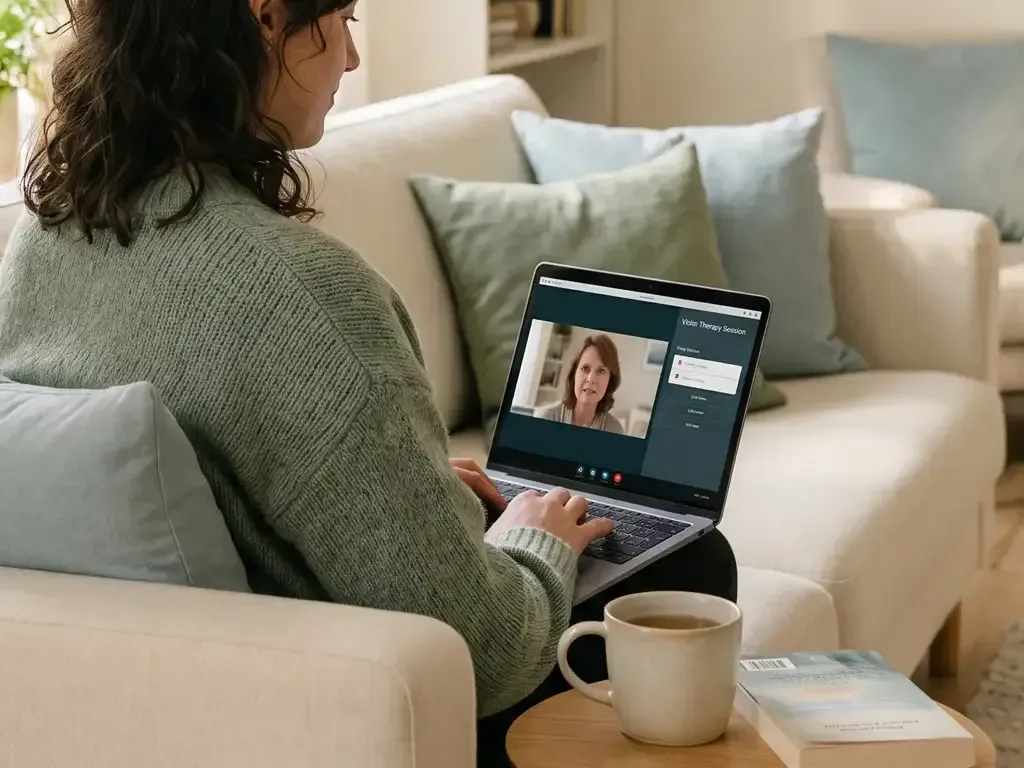
Seaside Serenity Counseling offers both in person in Egg Harbor Township, New Jersey and through telehealth sessions that serve New Jersey, Delaware and Florida residents.